
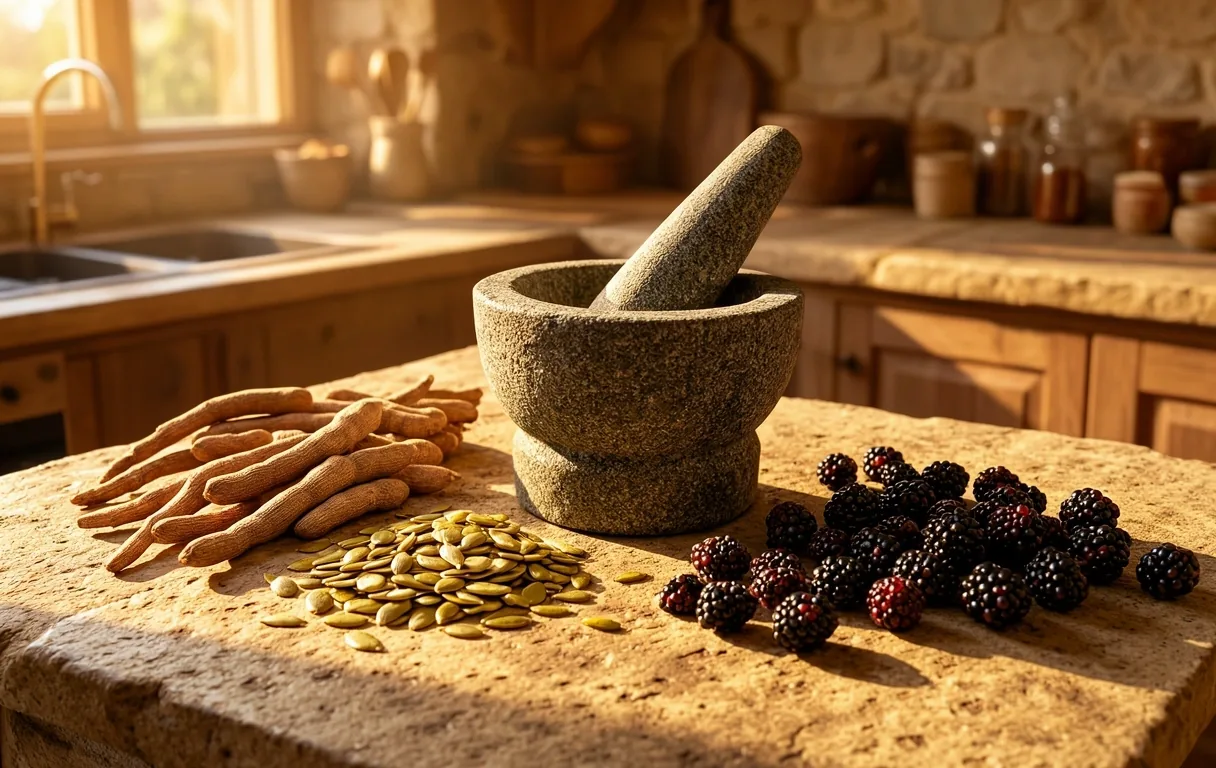
Traditional Recipes for Enduring Energy
The traditional kitchen was the first source of vigor. Across Europe, specific combinations of roots, seeds, and fruits were prepared to support a man's daily output. These recipes are not medical formulas; they are culinary heritage, designed to nourish the body and ignite the senses using what the land provides.
In an era before synthesized supplements, men turned to the wisdom of the soil and the seasonal cycles of the forest. This collection represents the "Remedios Viriles" philosophy—a return to the grounded, artisanal preparations that sustained our ancestors through harvest, hunt, and hard labor. We explore the ritualistic aspect of preparation, where the act of steeping, macerating, and grinding becomes a meditative practice in itself.
Every recipe documented here is sourced from traditional European and Mediterranean folk wisdom, prioritizing raw ingredients and time-honored techniques.
The Morning Infusion
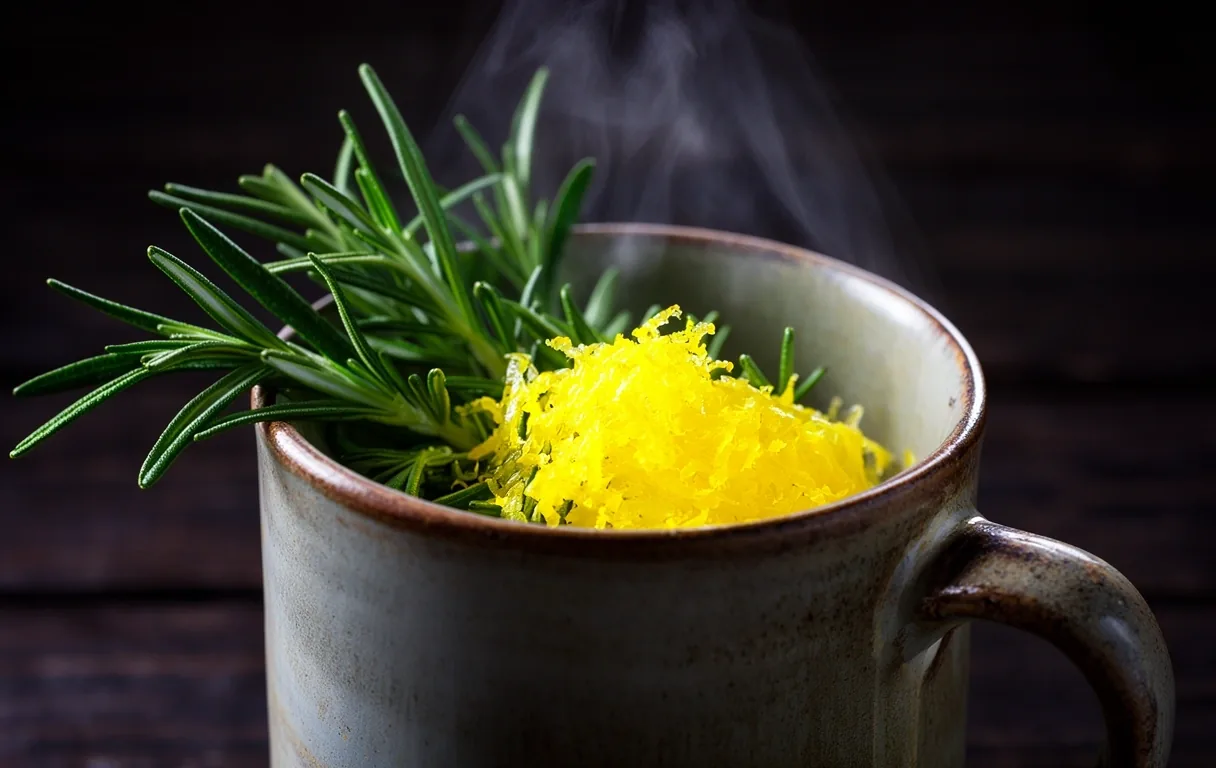
Start the day with a blend of rosemary and lemon zest. This combination was a favorite in Mediterranean households for clearing the morning fog and providing a gentle, natural lift. Rosemary has long been associated with mental sharpness and alertness, while the zest of citrus provides a sensory spark that signals the start of productive hours.
The preparation involves steeping fresh sprigs in hot water for exactly seven minutes to capture the essential oils without the bitterness. In the villages surrounding Barcelona, this was often the first task of the day, ensuring that the senses were awakened before the physical demands of the fields began.
The Ritual
- • Gather fresh rosemary sprigs, ideally harvested at sunrise.
- • Use a vegetable peeler to take thin strips of lemon zest, avoiding the white pith.
- • Steep in 90°C water for seven minutes.
The Mountain Man's Porridge
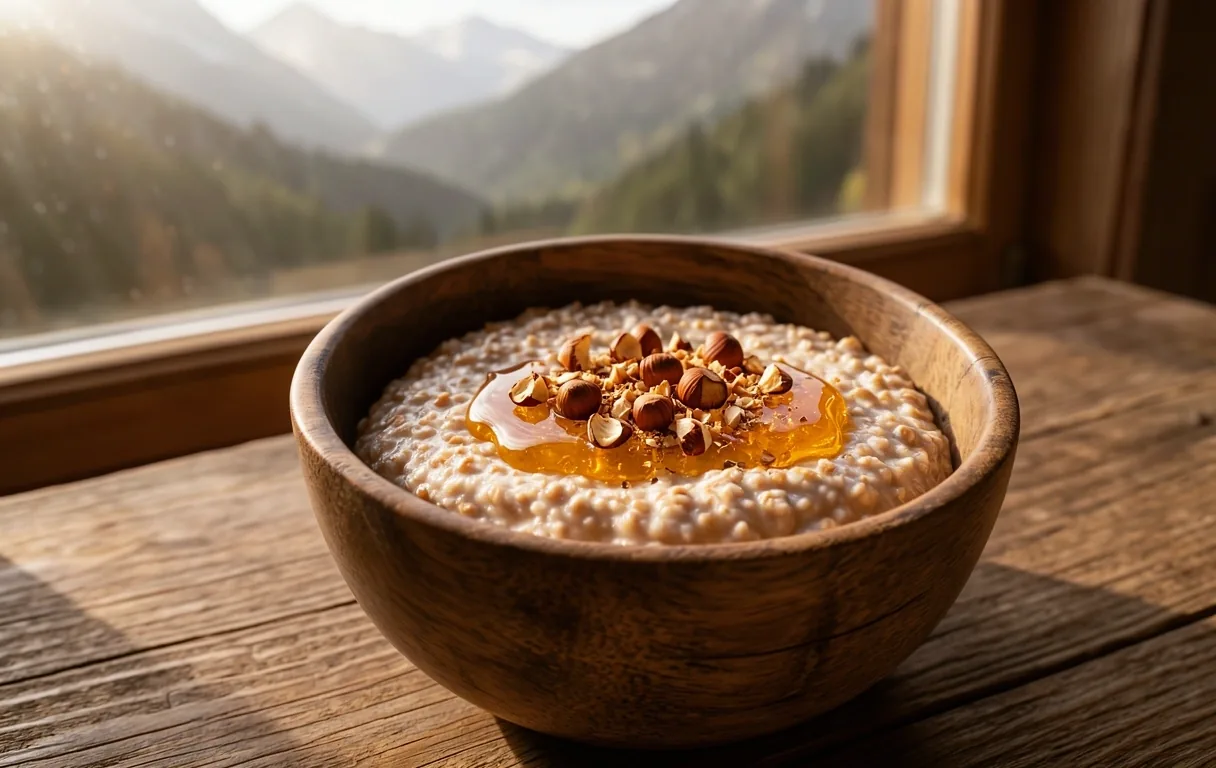
Oats are a universal symbol of stamina. In the Highlands, they were often paired with raw honey and crushed hazelnuts. This dense meal provided slow-release energy that could last from dawn until the midday break, ensuring that the body had a consistent fuel source for heavy lifting and long treks through uneven terrain.
"The strength of the mountain is built at the hearth." — Highland Proverb
Honey and Garlic Maceration
This is one of the oldest folk preparations known to the Iberian Peninsula. Peeled garlic cloves are submerged in raw, dark honey and left to sit for several weeks in a cool, dark place. The sulfurous compounds of the garlic mellow into the sweetness of the honey, creating a powerful syrup traditionally used during the winter months.
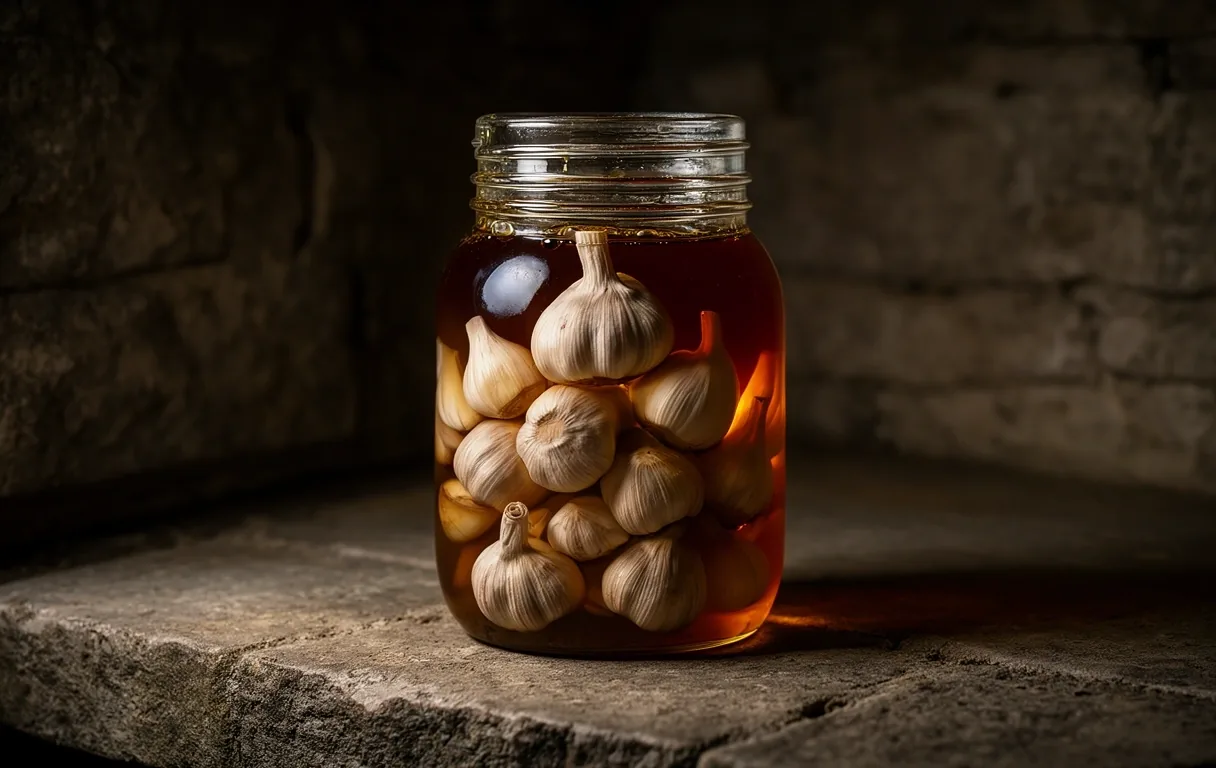
A single spoonful of this resulting syrup was traditionally taken to maintain a sense of internal heat and resilience.
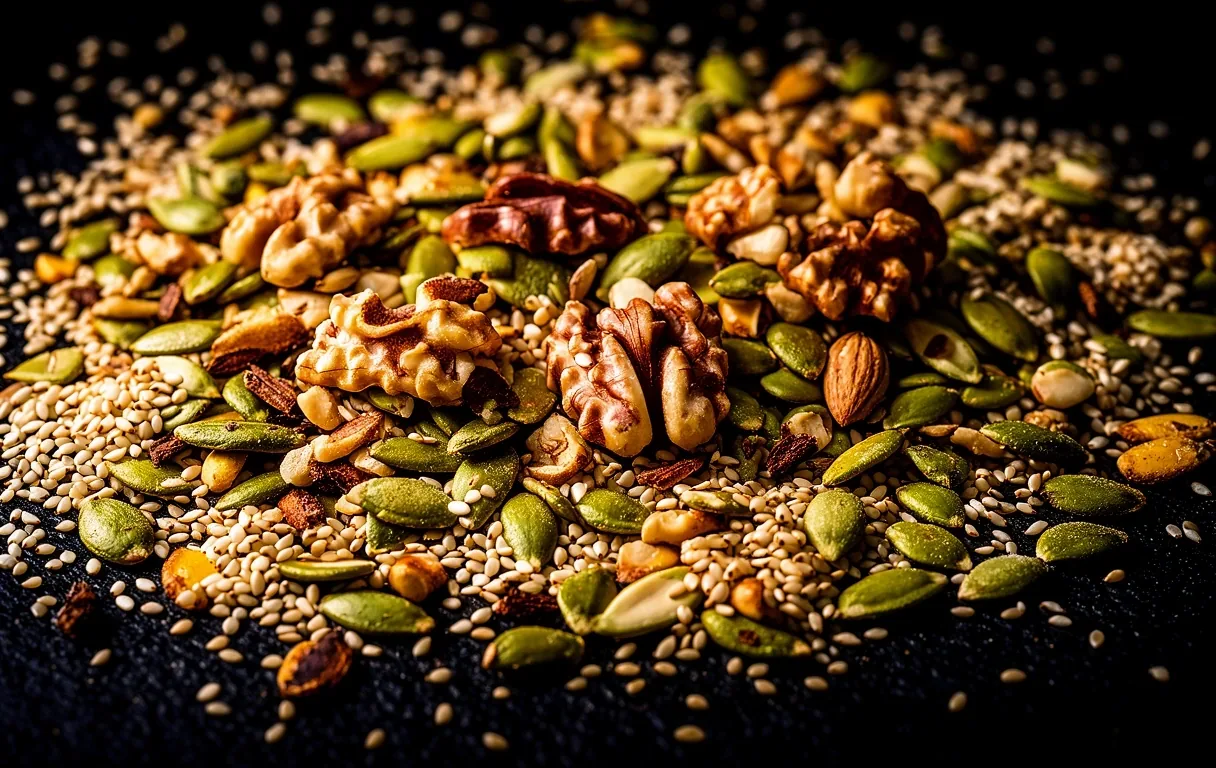
The Seed and Nut Medley
In the Levant, a mix of pumpkin seeds, walnuts, and sesame seeds was often served as a snack for men. These ingredients are rich in natural fats and minerals that support endurance without the crash associated with processed sugars.
We focus on the traditional proportions: three parts pumpkin seeds to one part walnut, bound with a light coating of honey and toasted sesame. It creates a portable, nutrient-dense fuel source that woodcutters and travelers have carried for centuries.
Browse the Botanical Guide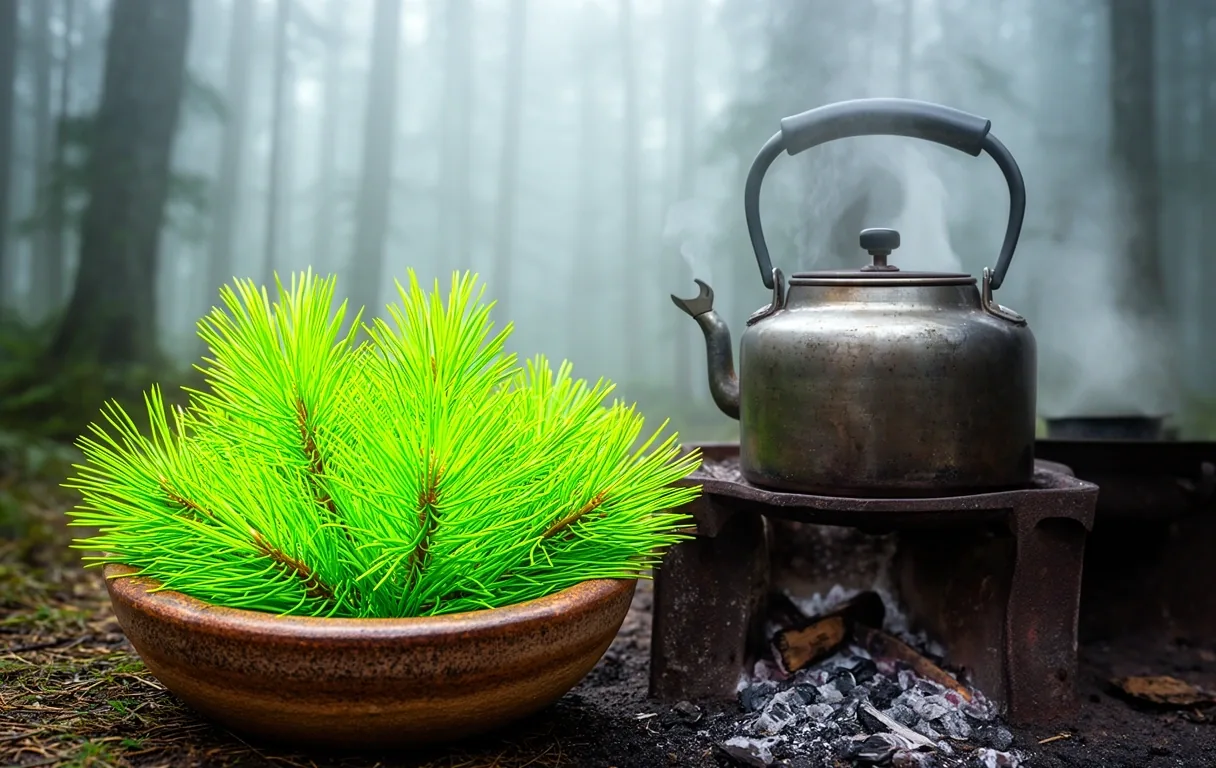
Pine Needle Tea
Gathered from high altitudes, young pine needles were brewed into a light, citrusy tea. Rich in historical significance and a natural source of vitality, this drink was used by woodsmen to stay alert and refreshed during long treks through the deep forest. It provides a crisp, forest-scented mental reset.
The Evening Root Tonic
Beetroot and ginger, when juiced or simmered together, create a vibrant tonic. This deep red liquid was believed to support the "fire" within. It is a grounding drink, best consumed after a day of physical exertion to help the body transition into a state of calm readiness for the following dawn.
Traditional Egg and Mead Mix
In Northern traditions, a raw egg yolk whisked into a small amount of warm honey-water or mild mead was considered a potent source of immediate energy. While perhaps unusual to the modern palate, it represents the historical focus on nutrient density—packing the most vital components into a single, quickly consumed preparation.
Herb-Infused Vinegars
Vinegar wasn't just for salads. Infusing apple cider vinegar with sage and thyme created a sharp tonic that was diluted in water. This was often used during the harvest season to maintain hydration and a sense of sharpness under the hot sun. It cuts through physical fatigue with its bracing acidity.
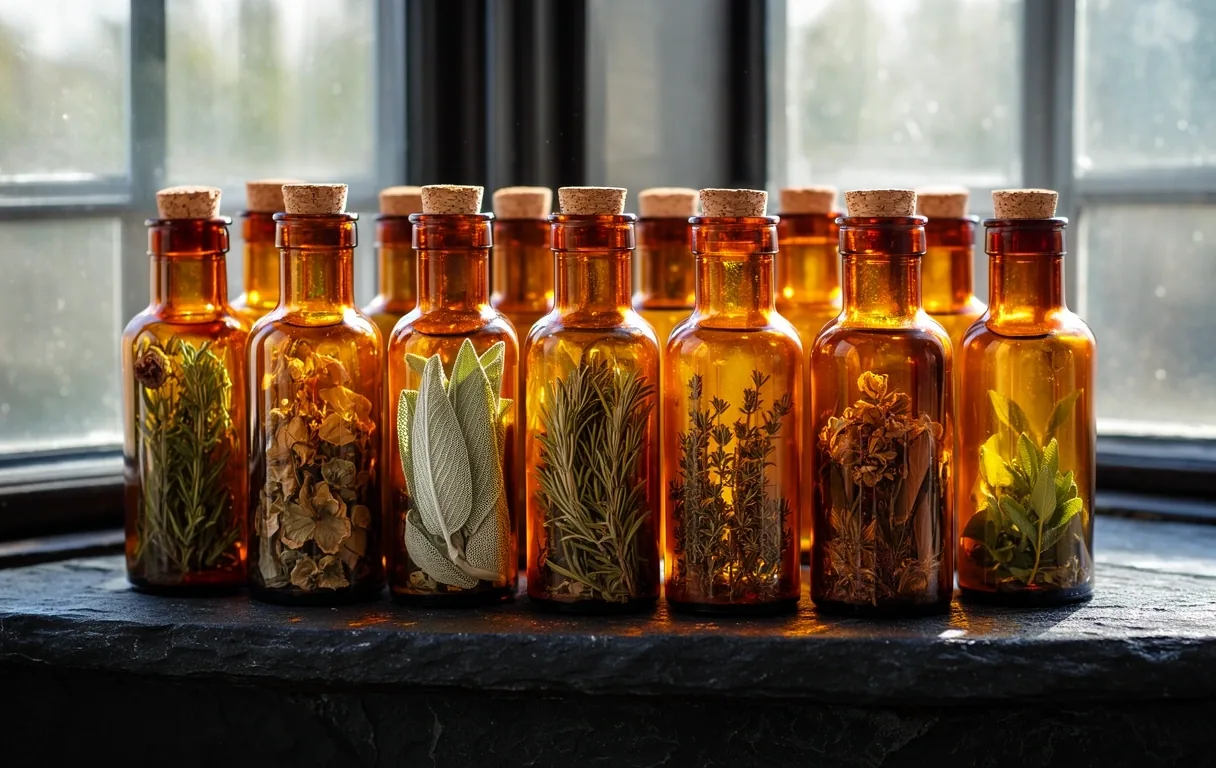
Heritage Note: These preparations were often stored in cool cellars for months, allowing the herbal essence to fully integrate into the liquid medium.
Reconnect with the Land
Vitality is not found in a laboratory; it is cultivated through consistent habits and the traditional knowledge of our predecessors. Explore how these recipes fit into a broader lifestyle of vigor.
Most infusions require 5-10 minutes of active time, while macerations benefit from 2-4 weeks of resting in dark environments to reach peak potency.
Traditional methods rely on raw, unrefined sources. Seek wild-harvested herbs, dark raw honey, and whole grains for the most authentic experience.
These are lifestyle additions, meant to be enjoyed as part of a balanced daily routine centered on physical output and natural rhythms.