
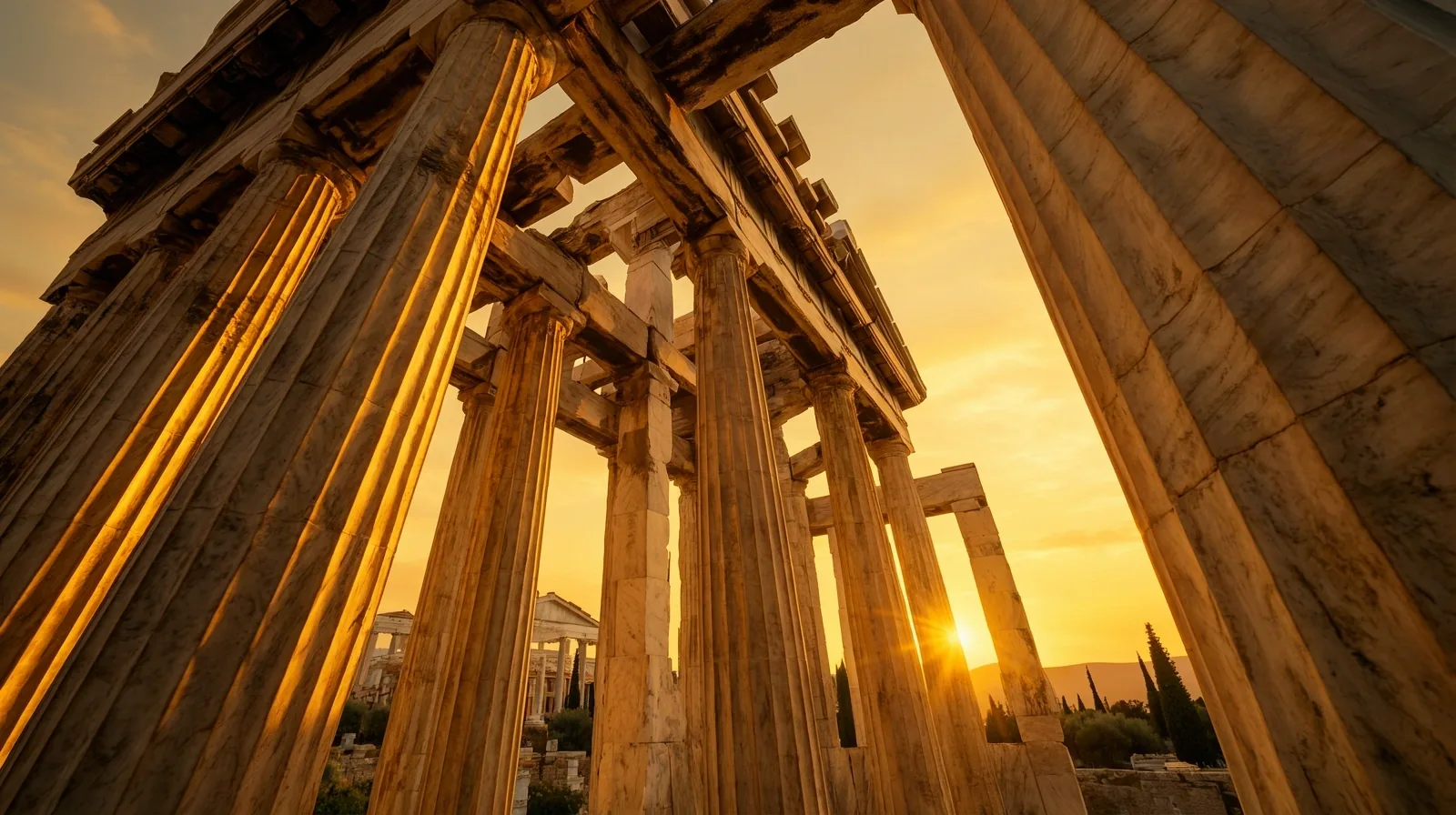
Heritage of Wisdom: Ancient Roots of Vigor
Every culture has its own story of what makes a man strong. From the gladiators of Rome to the Norse seafarers, history is filled with examples of how traditional societies cultivated male energy through nature and habit.
Timeless Principles of Human Nature
History is more than a record of dates; it is a repository of survival strategies and ancestral knowledge. For centuries, the pursuit of stamina and physical excellence was not a hobby but a fundamental requirement for the survival of the community. Before the era of modern synthetic shortcuts, vigor was earned through the integration of dietary wisdom, physical hardship, and mental discipline.
By looking backward, we find principles that remain strikingly relevant today. These methods were stripped of modern marketing, centered instead on the raw mechanics of the human body and its relationship with the surrounding environment. Whether it was the high-energy fats of the north or the balanced moderation of the Mediterranean, these cultures understood that vigor is a holistic state of being.
Core Historical Anchors
- / Dietary integrity based on local seasonality
- / Physical labor as a rhythmic lifestyle necessity
- / Social cohesion and communal resilience
- / Mental fortitude through philosophical grounding
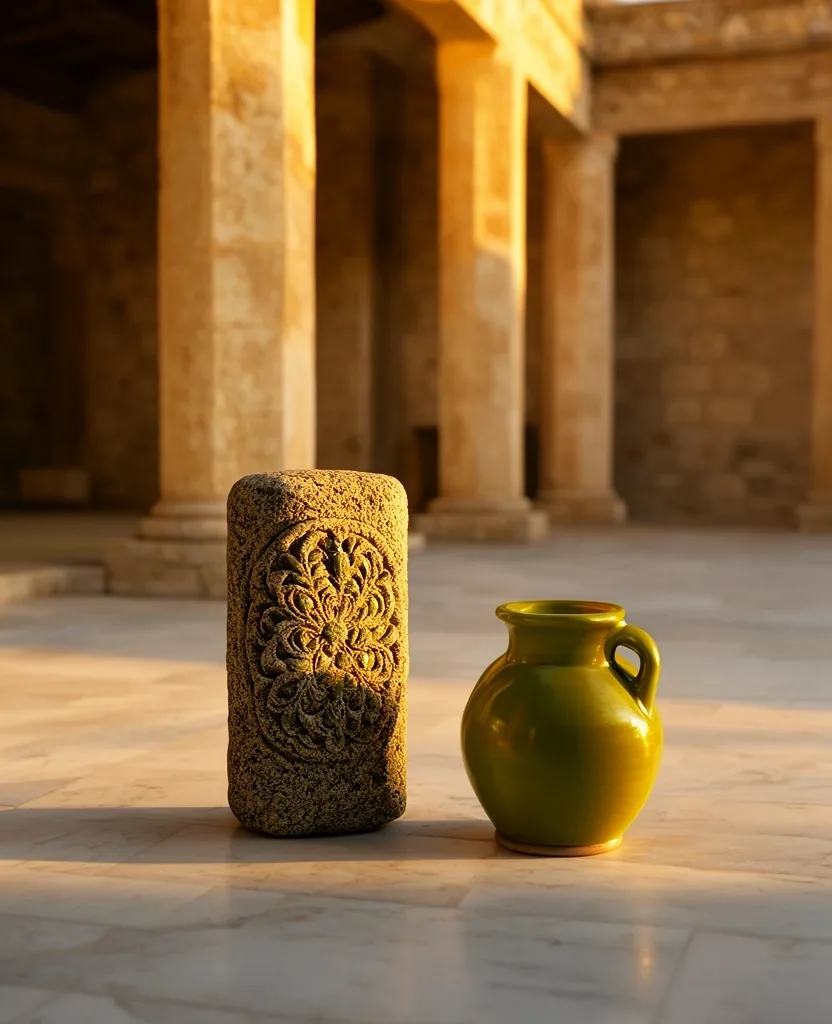
The Greco-Roman Ideal
In ancient Greece, vitality was viewed as a civic duty. The "gymnasion" was not merely a place for muscle development but a center for intellectual and physical synthesis. The Greeks practiced "sophrosyne"—the cultivation of excellence through moderation and self-control.
Their dietary regimes focused heavily on what we now call the Mediterranean triad: wheat, olive oil, and wine, supplemented by local honey and specific herbs that were believed to sharpen the senses. Physical energy was not seen as something to be "boosted" but as a natural flow to be managed through constant movement and rhythmic rest.
Explore traditional recipesNordic Resilience
The Vikings thrived in some of the harshest climates on earth. Their vigor was sustained by fermented foods, fatty fish, and a culture that prioritized "hardiness" as the ultimate male virtue. This resilience was forged in the cold, requiring a metabolism that could withstand extreme thermal shifts and prolonged physical exertion.
Adaptation
Exposure to the elements to build internal thermal energy.
Fermentation
Traditional preservation methods that supported long-term stamina.
Endurance
Rhythmic, high-intensity labor as the basis of physical training.
Mediterranean Longevity
The "Blue Zones" are not a modern discovery, but a historical continuation. Men in these regions have maintained vitality for generations through a specific set of cultural non-negotiables.
The Shepherds of Sardinia
Living in high-altitude environments, these men follow a diet rich in high-quality fats and bitter mountain greens. Their movement is functional and consistent, involving miles of walking across uneven terrain every single day.
Crete: The Social Fabric
Research into centenarians in Crete shows that energy is maintained through deep social cohesion. Rituals of communal meals and local olive oil consumption create a stress-managed environment that fosters long-term vigor.
Nutritional Density
Unlike modern diets, these historical patterns prioritize "slow foods"—long fermentations, whole grains, and wild-harvested vegetables that provide a complex array of micronutrients.
Eastern Traditions of Vitality
While our focus is often Western, the parallels in Eastern philosophy offer a deeper map of male energy. Concepts such as "Qi" or "Prana" are essentially cultural translations of the European ideas of "Vigor" and "Life Force."
These traditions view vitality as a balance between intake (food and breath) and output (movement and mental focus). The preservation of this internal energy was central to their warrior and scholarly classes alike, teaching that vigor must be cultivated daily through specific rhythmic practices.
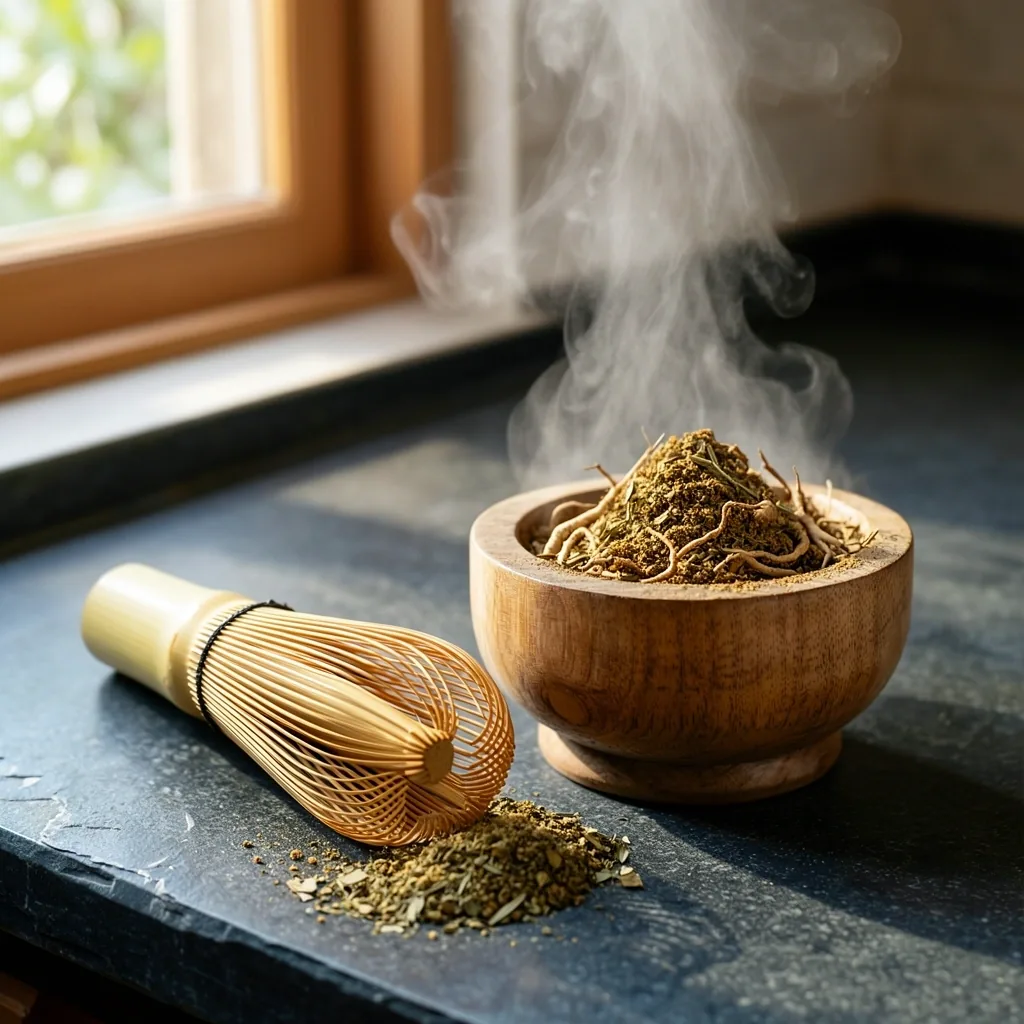
The Medieval Laborer
The physical output of a medieval builder or farmer was immense. Their diet, often consisting of dark breads, legumes, and seasonal ale, was specifically tuned to support grueling labor. Nutritional density was found in simple, whole sources that provided sustained energy release.
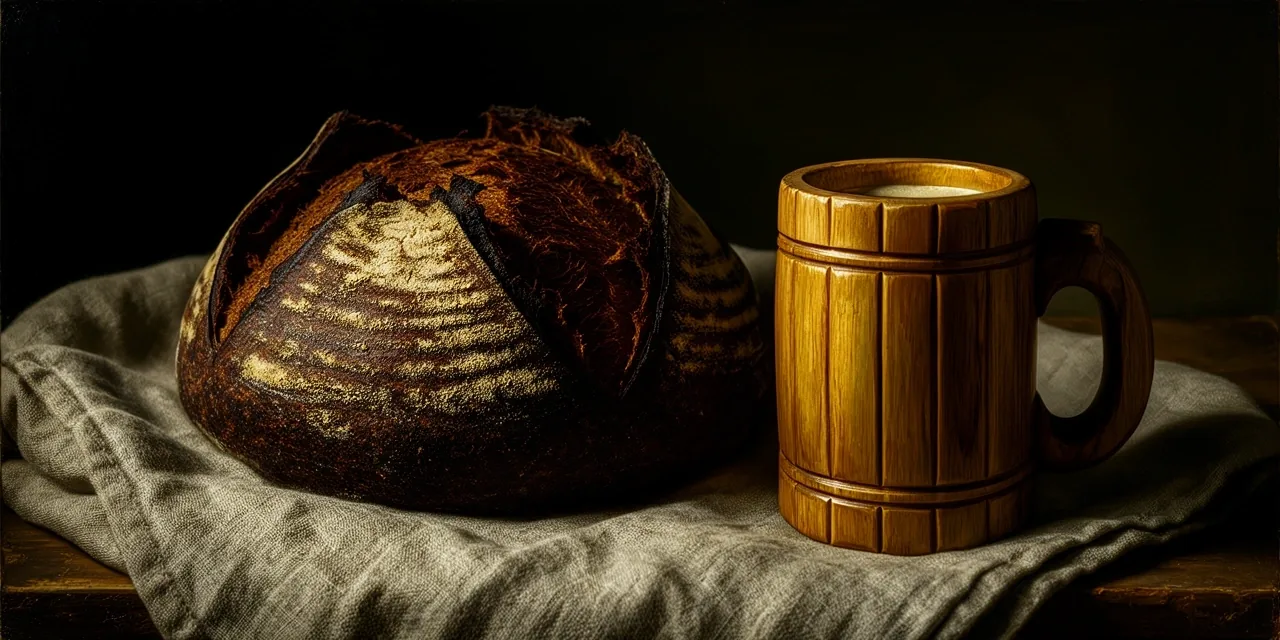
Renaissance Balance
The Renaissance brought the focus of the "Universal Man"—someone as capable with a sword as with a pen. This period emphasized that true vigor requires intellectual stimulation alongside physical health. Energy was a byproduct of a curios, active, and multi-faceted life.
The Industrial Shift
The rise of the factory changed the male body forever. The move from the fields to the city began to erode the traditional foundations of vitality. Constant sunlight was replaced by soot, rhythmic labor by repetitive tasks, and seasonal foods by mass-produced substitutes.
Recognizing this shift is the first step in reclaiming lost energy. We cannot return to the 14th century, but we can integrate the core habits—natural movement, high-density nutrition, and mental focus—into our 21st-century lives.
Reclamation
Bringing ancestral movement patterns into sedentary workspaces.
Integration
Prioritizing whole, seasonally-aligned foods in a globalized market.

Folklore and Myth
Beyond the history books, legends offer insights into what cultures valued. Tales of Herculean strength or Odinic wisdom provide a symbolic map for the qualities of vigor that we still admire today—perseverance, cunning, and an unbreakable link to the natural world.
Historical Archives & Modern Context
Our editorial team in Barcelona researches these traditions to ensure they are presented with historical accuracy and lifestyle relevance. We believe that by understanding the origins of these practices, one can better appreciate their value in a contemporary setting.
How are these methods selected? ↓
Is this information applicable today? ↓
Editorial Office
Passeig de Gràcia, 92
08008 Barcelona, Spain
Mon-Fri: 09:00-18:00
Phone: +34 934 50 45 16